
Make the work run itself
Automation is not a machine replacing your team. It is the point where finishing one job starts the next one, instead of somebody having to remember it.
-
CaptureEvery enquiry lands in one list
-
OrganiseEach customer carries their history
-
AutomateBills, stock and reminders follow
-
ReachCampaigns to a filtered list
-
MeasureFigures ready on any day
One enquiry, followed all the way through
Here is the same sequence twice. First as most businesses run it today, then as it runs once the steps are connected.
What comes in Customer interactions from any channel
What happens next Automated actions across your tools
A single source of truth for every customer interaction
Six people, six places
- A customer calls. The number goes into someone's phone.
- A rate is quoted on WhatsApp. Nobody else can see it.
- The follow-up call depends on whether that person remembers.
- The order is confirmed and written into a register.
- An invoice is typed out from the register.
- Stock is adjusted at the end of the week, from memory.
One record, moving forward
- The call creates a lead, with an owner and a date attached.
- The quote is saved against the lead, visible to the whole team.
- The follow-up appears on the owner's list for that day.
- Confirming the order converts the lead to a customer.
- The invoice is generated from the quote, not retyped.
- Stock drops the moment the invoice is raised.
Where it usually pays off first
Every business has a different bottleneck. These are the six areas we are asked about most.
Nothing gets lost between the call and the follow-up
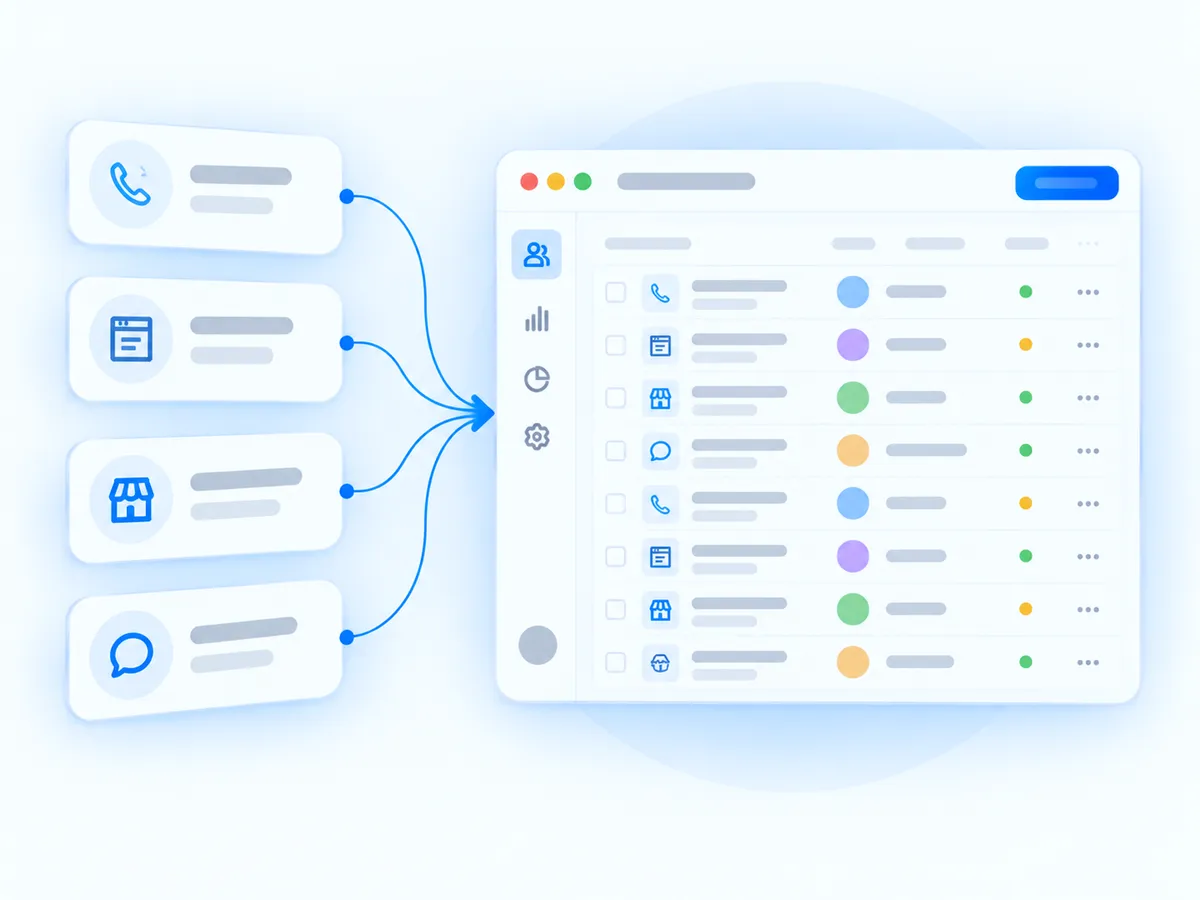
Enquiries arrive from a phone call, a website form, a walk-in or a campaign reply. Each one becomes a record with a source, an owner and a next action, so the question stops being "did anyone call them back".
- Captured from every channelCalls, forms and campaign responses land in the same list.
- Assigned, not assumedEach lead has one owner, so two people do not call the same customer.
- StagedNew, contacted, quoted, won or lost. You can see where the pipeline is stuck.
Bills built from records you already keep
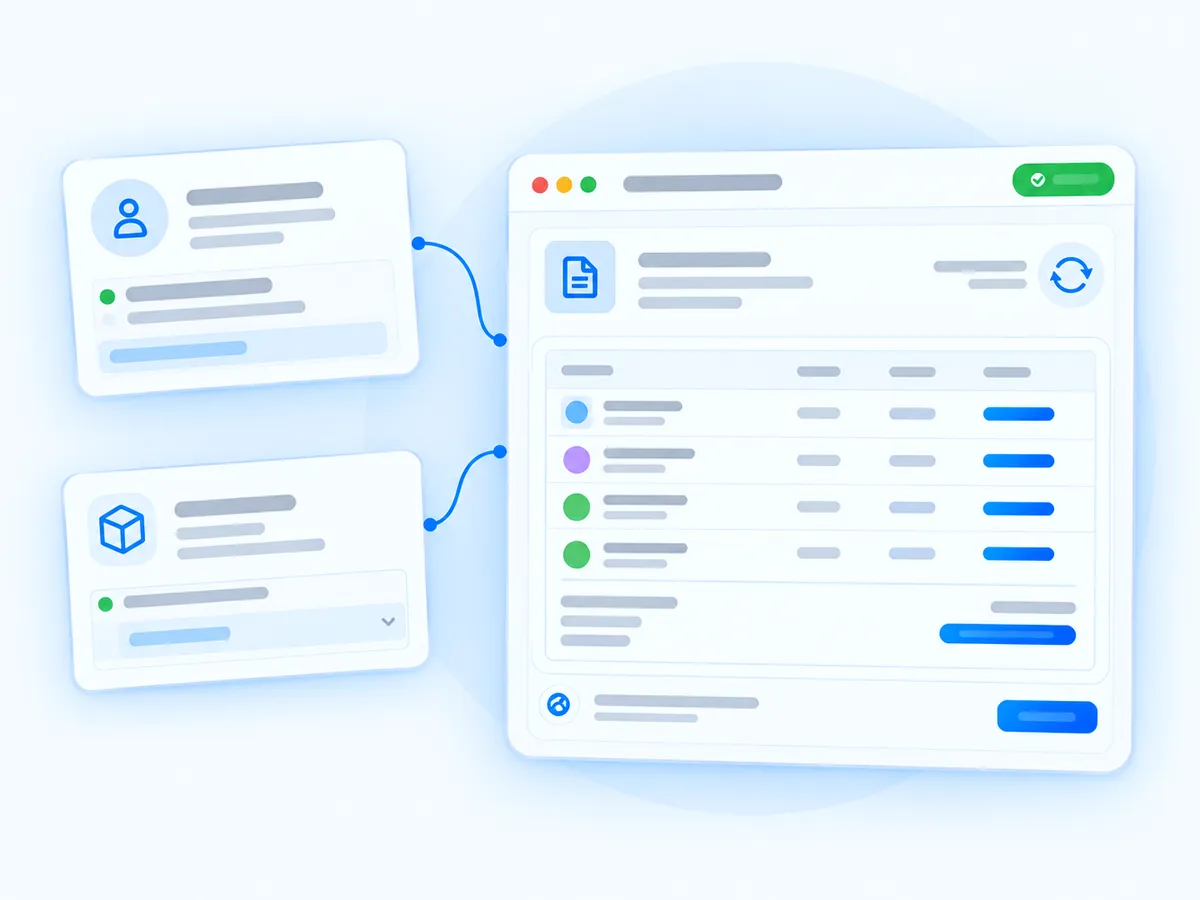
Customer details, item rates and tax treatment are stored once. Raising an invoice becomes selecting rather than typing, which is both faster and harder to get wrong.
- Saved customers and itemsRates, tax and terms come from the master, not from memory.
- Recurring bills repeat themselvesMonthly and annual invoices are raised on schedule instead of being chased.
- Outstanding stays currentPayments received update the customer balance as they happen.
Stock that reflects what actually happened
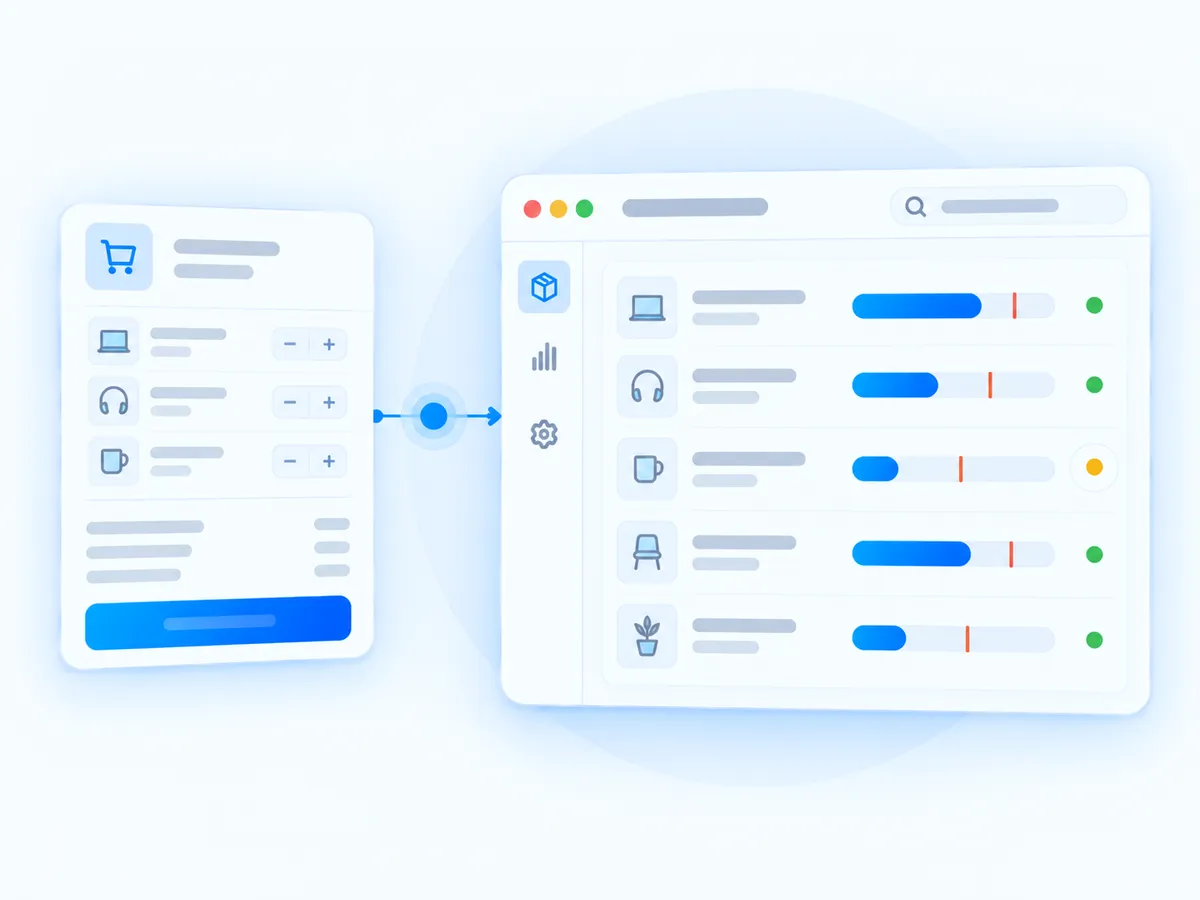
A physical count tells you where stock was this morning. Connecting billing to inventory tells you where it is now, which is the number you need when a customer is standing in front of you.
- Moves with every sale and purchaseNo separate entry, no weekly reconciliation ritual.
- Low-stock levels per itemReorder points sit on the item, so you order before you are out.
- More than one locationGodown and counter stock are tracked separately but seen together.
The reminder that does not depend on anyone remembering
Most lost business is not lost to a competitor. It is lost to a follow-up that nobody made. Scheduling the next contact at the moment of the last one removes the need for anyone to hold it in their head.
- Scheduled at creationA lead without a next action is visible as an exception, not the norm.
- Automatic where it suitsPayment due, renewal and appointment reminders go out by SMS or voice without being drafted.
- A daily list per personEach team member opens the day knowing exactly who to contact.

Messages to a list, not to everybody
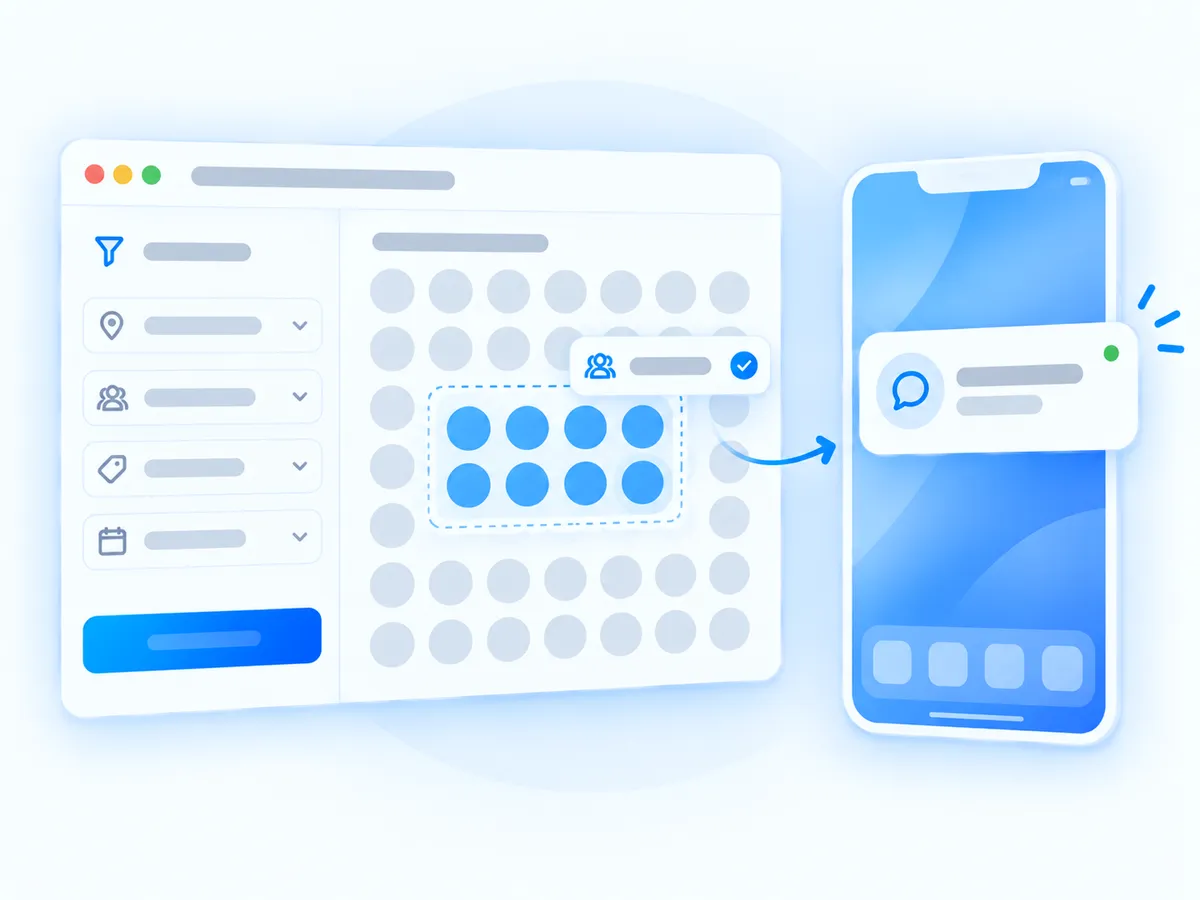
A campaign is only as good as the list behind it. When your customer records already hold what people bought and where they are, the list builds itself out of conditions rather than guesswork.
- Segments from real historyRecent buyers, lapsed customers, a category, a locality, an outstanding balance.
- SMS, voice or emailPick the channel your audience actually answers, or use more than one.
- Results against the listDelivery and response come back to the same records you sent from.
Numbers that are already there when you want them
When sales, dues and stock live in the same system, a report is a view rather than a project. The month-end exercise of assembling figures from four places stops being necessary.
- Sales by period, item or personSee what moved and who moved it, without a spreadsheet in between.
- Receivables at a glanceWho owes what, and for how long, on any given day.
- Role-based accessStaff see what they need to. Owners see everything.

No two businesses want the same thing, and that is the hard part
Standard software is quick to start but rarely fits exactly. Fully custom software fits but takes months. Most of our work sits in between.
We look at the process first
Before anything is configured, we go through how the work happens today: who does what, in what order, and where it stalls. Automating a broken process only makes it faster at being broken.
Then we fit the software to it
Fields, stages, invoice formats, user roles, approval steps and reports are set to match your business rather than a generic template.
And we do it in stages
One area at a time, usually starting with whichever is costing the most hours. Changing everything at once is how software gets abandoned in month two.
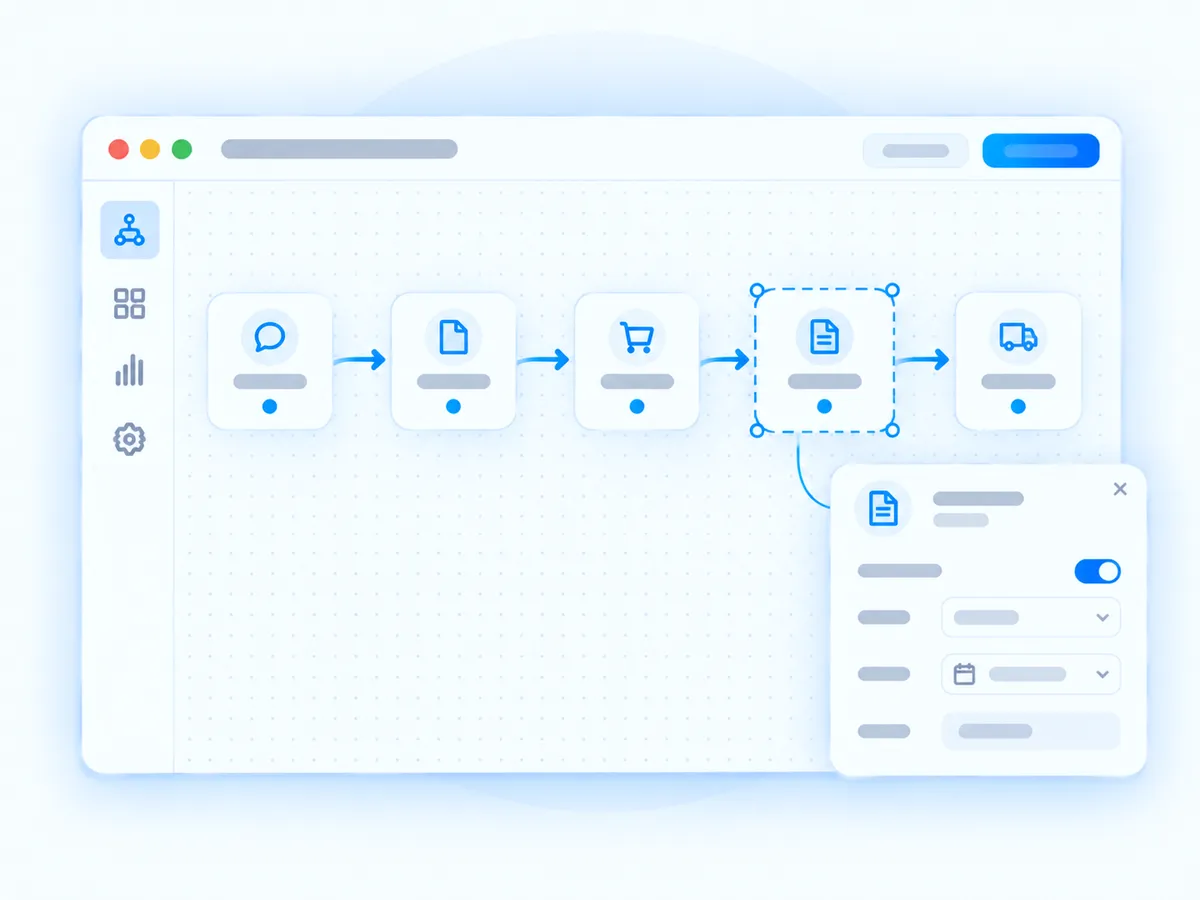
What automation will not do for you
It is worth being clear about this before you spend anything, because the projects that disappoint people are usually the ones that were oversold at the start.
- It will not fix an unclear processIf nobody agrees who owns a follow-up today, software will not decide it for you. That conversation comes first.
- It will not work without clean dataOld lists with duplicate and missing entries need a tidy-up. We will tell you honestly how much is involved.
- It will not replace your judgementIt removes the clerical half of the job so your team spends its time on customers and decisions instead.
Which part of your week would you automate first?
Walk us through a normal day. We will point out what can be connected, in what order, and what the effort looks like.